‹ Sensors · Agriculture ›
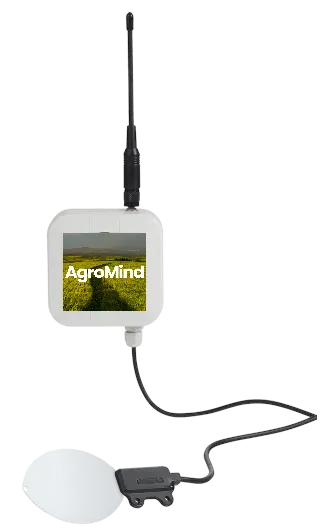
Leaf wetness sensor
Detects leaf wetness hours and fungal risk. Key to anticipate disease risk and optimize treatments.
What it measures and why it matters
Measures whether the leaf surface is wet (dew, rain, fog or sprinkler irrigation) and for how long. It’s key to anticipate fungal disease risk.
How it works
It’s typically placed in the crop environment / at canopy height, not buried. In a representative microclimate area of the plot.
‹ Use cases ›
Which crops and situations benefit most
Vineyards
Downy mildew/powdery mildew pressure based on wetness conditions
Fruit trees
Preventive control and optimal treatment windows
Vegetables
Especially in humid environments and under covers
‹ Data ›
Parameters and how to interpret the data
Leaf wetness hours
Duration of leaf wetness
Temperature during wetness
Combined = fungal risk scenario
Dew nights
Identify and track nighttime humidity persistence
‹ Setup ›
Quick installation
- 01
Place at crop canopy height

- 02
Avoid direct contact with drippers or sprinklers
- 03
Representative orientation (avoid artificial shade)
- 04
Link it to the plot
- 05
Validate response with a dew or irrigation event
‹ Spec sheet ›
Specifications and design
Materials / ruggedness
Design resistant to weather and UV
Rugged battery
Long-life optimized battery
Built-in location
Built-in location
Made in Spain
Made in Spain
2-year warranty
2-year warranty
‹ FAQ ›
Frequently asked questions
Does it work in greenhouses?
Yes. In closed greenhouses, wetness patterns can differ (less outdoor dew, more internal condensation). It helps detect condensation and manage ventilation.
How do wind or orientation affect it?
Wind can speed up leaf drying. That’s why it’s important to install it in a representative position, not in an extremely windy or overly sheltered corner.
Should I combine it with a microclimate station?
Yes, it’s ideal. Combining leaf wetness with temperature, relative humidity and rainfall enables disease prediction models (downy mildew, botrytis, etc.).
Does it need calibration?
No. It detects moisture on its surface. The key is keeping it clean and correctly positioned.
Can it help decide when to spray?
Exactly. If you detect X hours of leaf wetness with temperatures favorable for a pathogen, you can anticipate a preventive treatment or decide if curative action is needed.
Does it detect fog too?
Yes, it detects any surface wetness: rain, dew, fog, or sprinkler irrigation.
How many sensors do I need?
One per distinct microclimate. If your farm has areas with very different aspect, elevation, or ventilation, use more than one. In homogeneous plots, one is usually enough.
How do I interpret leaf wetness hours?
Cross wetness hours with temperature. Example: more than 6–8 hours of leaf wetness with 15–25°C is a high-risk scenario for downy mildew in vineyards. Each pathogen has its preferred conditions.
‹ Free demo ›
Let's talk about your farm,
no strings attached
Tell us hectares, crop and whether you already have sensors. Reply in under 24 hours with the path that fits you best.