‹ Sensors · Agriculture ›
Tensiometer (matric potential)
Measures matric potential: how hard the plant has to work to extract water from the soil. Ideal to decide the exact irrigation timing.
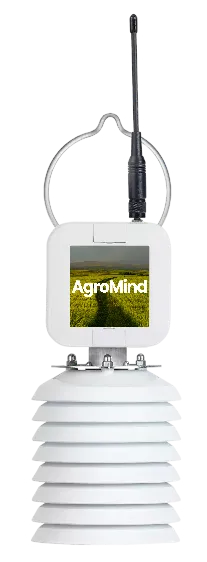
What it measures and why it matters
Measures matric potential (the soil water “tension”). It’s literally the effort the plant makes to extract water: higher tension means it’s harder to drink.
How it works
A tensiometer uses a system that reflects the suction required to extract water from the soil. It’s very useful to decide the exact irrigation moment.
‹ Use cases ›
Which crops and situations benefit most
Vineyards with regulated deficit irrigation
Precise control of water stress by phenological stage
High-quality fruit trees
Optimize irrigation timing and amount
Stress-sensitive crops
Early detection of water shortage
‹ Data ›
Parameters and how to interpret the data
Low tension
Soil water available → you can space irrigations
High tension
Stress risk → it’s time to irrigate
Crop thresholds
Defined by crop and phenological stage
‹ Setup ›
Quick installation
- 01
Select a representative point in the plot

- 02
Install in the root zone (target depth)
- 03
Ensure good soil contact (no air gaps)
- 04
Link it to the plot
- 05
Check response after the first irrigation
‹ Spec sheet ›
Specifications and design
Materials / ruggedness
Rugged construction resistant to field conditions
Rugged battery
Long-life battery for continuous operation
Built-in location
Built-in location
Made in Spain
Made in Spain
2-year warranty
2-year warranty
‹ FAQ ›
Frequently asked questions
Does it work in sandy and clay soils?
Yes, but the useful reading ranges vary. In sandy soils, the useful range is narrower (low water-holding capacity). In clays, it’s wider. The key is to adjust thresholds to your soil type.
What if the soil dries too much?
In extreme drought, the tensiometer can reach its measurement limit. It’s important to irrigate before reaching that point to avoid severe stress.
Should I combine it with capacitive moisture?
Yes, it’s a powerful combo. Capacitive gives the “how much” (amount of water), and the tensiometer gives “how available” it is for the plant. Together they provide a complete view.
How often does it take measurements?
It depends on configuration, but typically every 15–60 minutes. This lets you see daily trends and immediate responses to irrigation or rain.
Does a tensiometer need maintenance?
Minimal. Periodic visual checks to ensure it stays well installed. Some models may require specific checks depending on manufacturer, but overall maintenance is very low.
Does it work with drip and sprinkler irrigation?
Yes, it works with any irrigation system. The key is installing it in a representative part of the wetted zone for your system.
Can it be used for irrigation automation?
Absolutely. Tensiometer readings are ideal for automating irrigation: when it reaches a high threshold (stress), start irrigation; when it drops, stop.
What depth do you recommend?
Generally in the most active root zone: 20–40 cm depending on crop. In localized irrigation, near the emitter wetting bulb.
‹ Free demo ›
Let's talk about your farm,
no strings attached
Tell us hectares, crop and whether you already have sensors. Reply in under 24 hours with the path that fits you best.