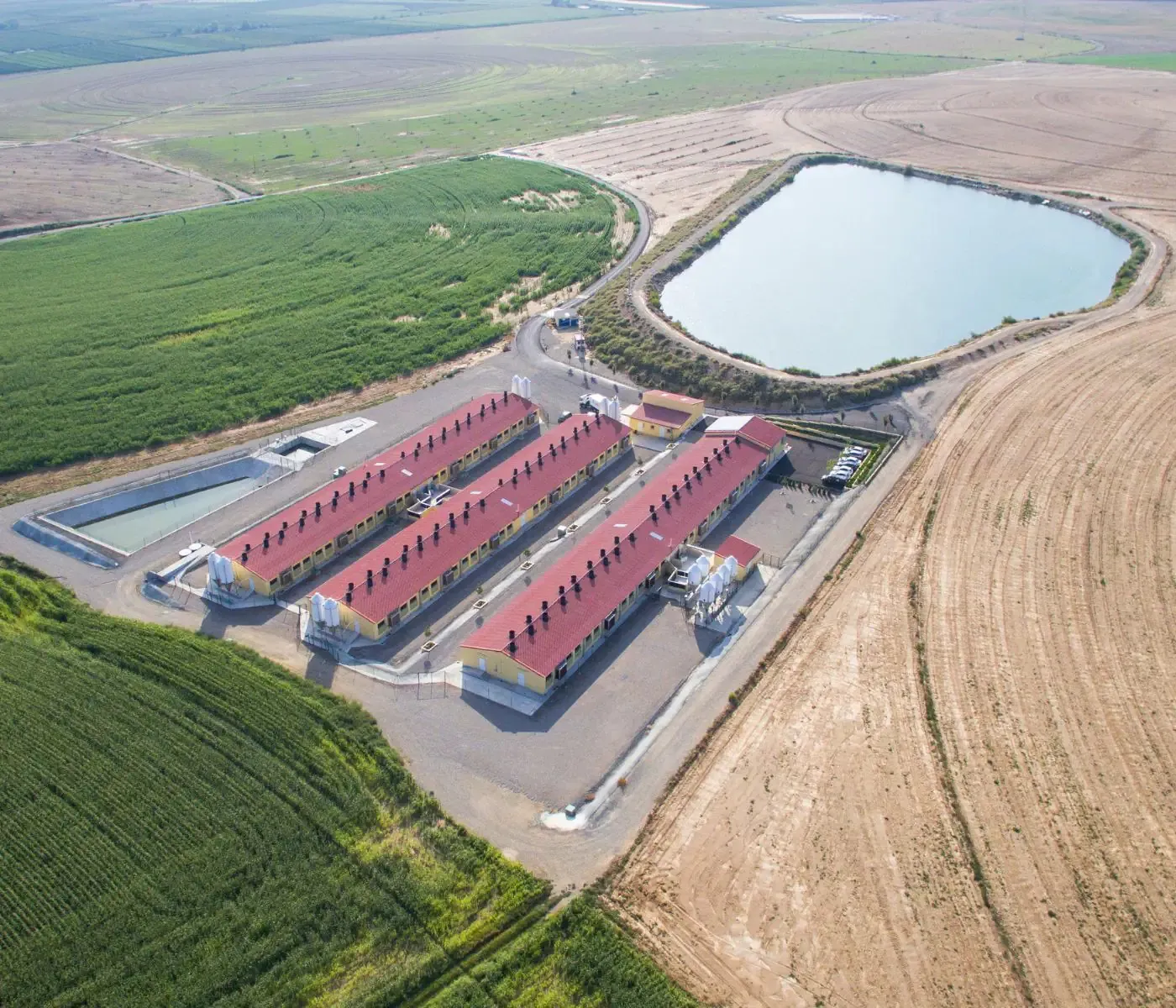
Livestock
NH3 (ammonia)
Detects ammonia concentration in the livestock facility environment, a key indicator of hygiene, ventilation and animal welfare.
- Arrives pre-configured
- No building work, no plugs
From €599
I want it!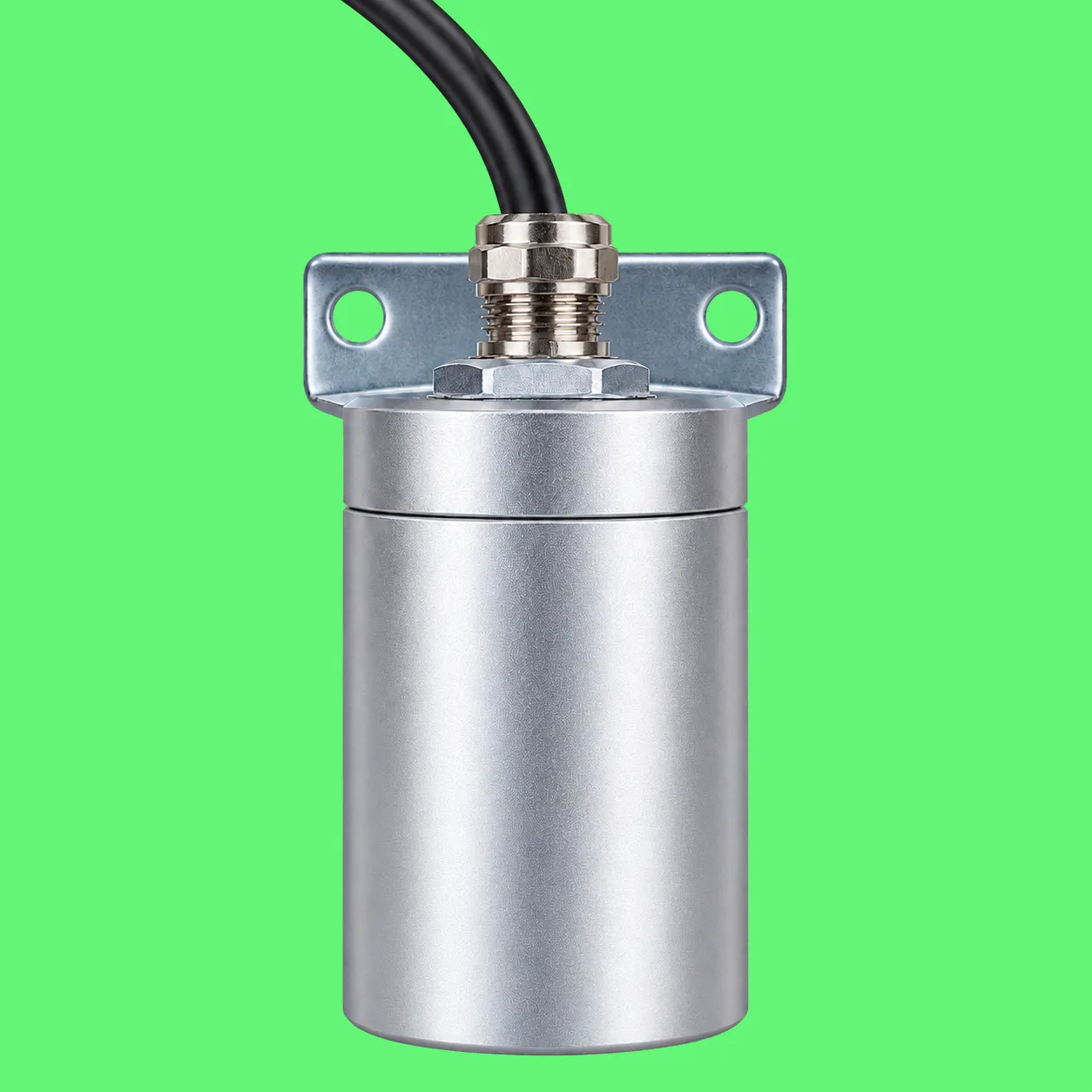
What it measures
Measures the concentration of ammonia (NH3) in the air of the livestock facility. Ammonia is generated by the decomposition of urine and animal excrement. High levels damage airways, reduce immunity and directly affect productive performance.
How it works
Uses an NH3-specific electrochemical sensor that accurately detects low ammonia concentrations. Data is sent to the platform in real time and compared with reference thresholds for animal welfare and European regulations.
What you gain
- Early detection of poor hygiene conditions before they affect health
- Optimisation of cleaning frequency and ventilation
- Regulatory compliance: evidence for animal welfare and emissions audits
Installation
You install it yourself, with no building work and nothing to set up
The sensor arrives pre-configured from the factory. No trenches, no power supply and nothing to connect to the internet: you place it, fix it and it starts sending data.
Step by step
- 1
Near the manure
Place it at animal height, close to where manure builds up.
- 2
No direct draughts
Avoid air jets from windows and fans, which dilute the ammonia.
- 3
Fix it
Screw the bracket to an inside pillar or wall, or tie it with a cable tie, out of the animals' reach.
That's it. From then on, readings reach the AgroMind app on their own.
What you'll see in the app
Readings reach AgroMind on their own. This is what you'll be able to follow:
NH3 (ppm)
Ammonia concentration in the air
Daily peaks
Maximum readings during the day to assess critical moments
Threshold alerts
Alerts when NH3 exceeds 10 ppm (animal welfare) or 25 ppm (occupational safety limit)
Where you'll get the most out of it
Pigs
Monitor NH3 levels from slurry: the main ammonia source in pig farms
Poultry
Detect NH3 build-up in litter: key for foot and respiratory health of birds
Cattle
Monitor ventilation in cattle housing to protect the health of cows and staff
Rabbit farming
Keep NH3 under control in high-density sheds with heavy excrement production
How the data reaches your phone
The sensor works together with a module that collects and sends the readings.
- 01
The sensor
Measures continuously at the spot where you placed it.
- 02
AgroSense module
Collects readings from up to 6 sensors and sends them even where there is no Wi-Fi or 4G/5G coverage.
- 03
AgroMind app
Follow the trend from your phone, and we alert you on WhatsApp when something is out of the ordinary.
Technical sheet
- Protection
- IP54 housing with high-selectivity electrochemical NH3 sensor
- Setup
- Pre-configured from the factory
- Mounting
- Wall bracket · Cable tie
- Connection
- AgroSense module, up to 6 sensors per module
- Coverage
- Works without Wi-Fi or 4G/5G coverage
- Alerts
- WhatsApp alerts and AgroMind app
- Origin
- Designed and manufactured in Spain
- Warranty
- 2-year manufacturer warranty
Frequently asked questions
What ammonia levels are a concern?
As a general guide, it's recommended to keep it below 20 ppm. Above that, it affects animals' respiratory health and performance. We adjust the thresholds for each species.
Why does ammonia rise?
Mainly from manure build-up, wet bedding and poor ventilation. Seeing when it rises helps you adjust cleaning and ventilation.
Does it need calibrating?
Yes, ammonia sensors need calibrating every 6–12 months. It's a simple process and AgroMind can remind you.
Can it be used to monitor emissions?
It measures the concentration inside the barn, which is a good indicator of what's being emitted. It helps you document the reduction measures you apply.
Where should I place it?
At animal height, close to where manure builds up and away from direct draughts.
Can I connect several sensors to the same module?
Yes. One AgroSense module takes up to 6 sensors, so you can combine different types at the same spot and expand later without buying another unit.
More sensors in livestock
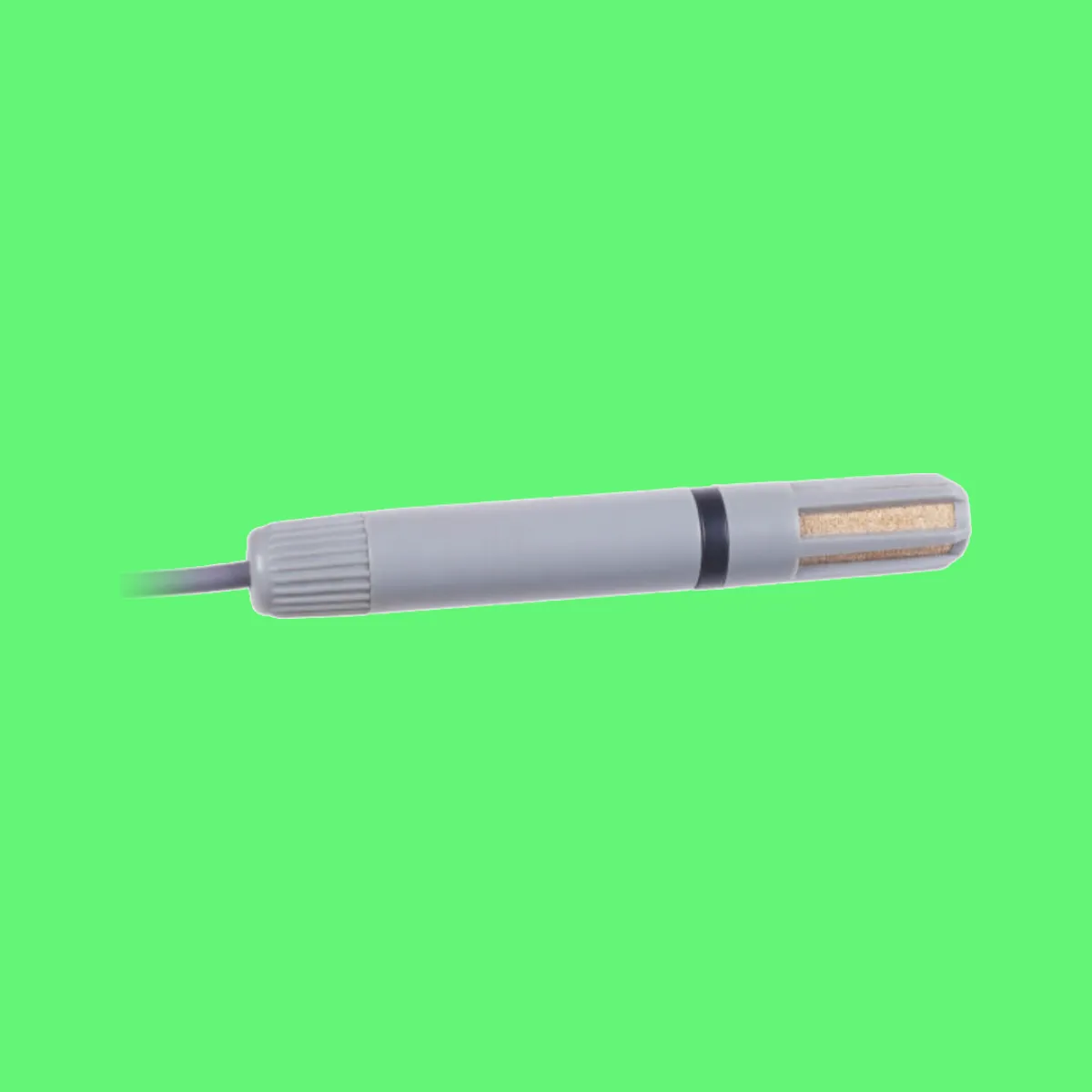
Ambient temperature and humidity
Measures air temperature and humidity inside livestock facilities to monitor animal welfare and reduce the risk of respiratory diseases.
View details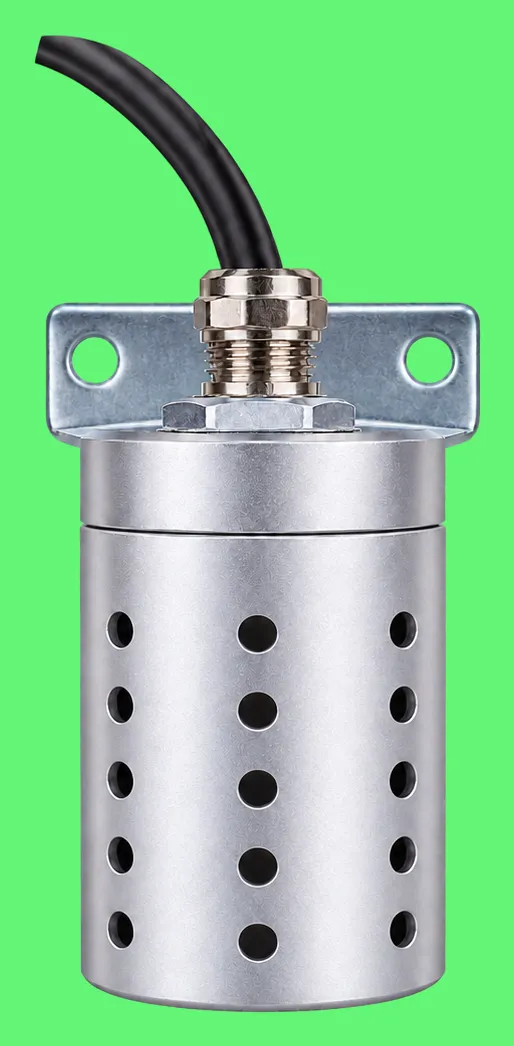
CO2 (carbon dioxide)
Measures CO2 concentration in the air of livestock facilities as an indicator of ventilation, animal density and air quality.
View details Your barn,
monitored around the clock
Tell us what animals you keep and the size of your barns. We'll tell you how many sensors you need and where to place them to control the environment and get alerts in time.