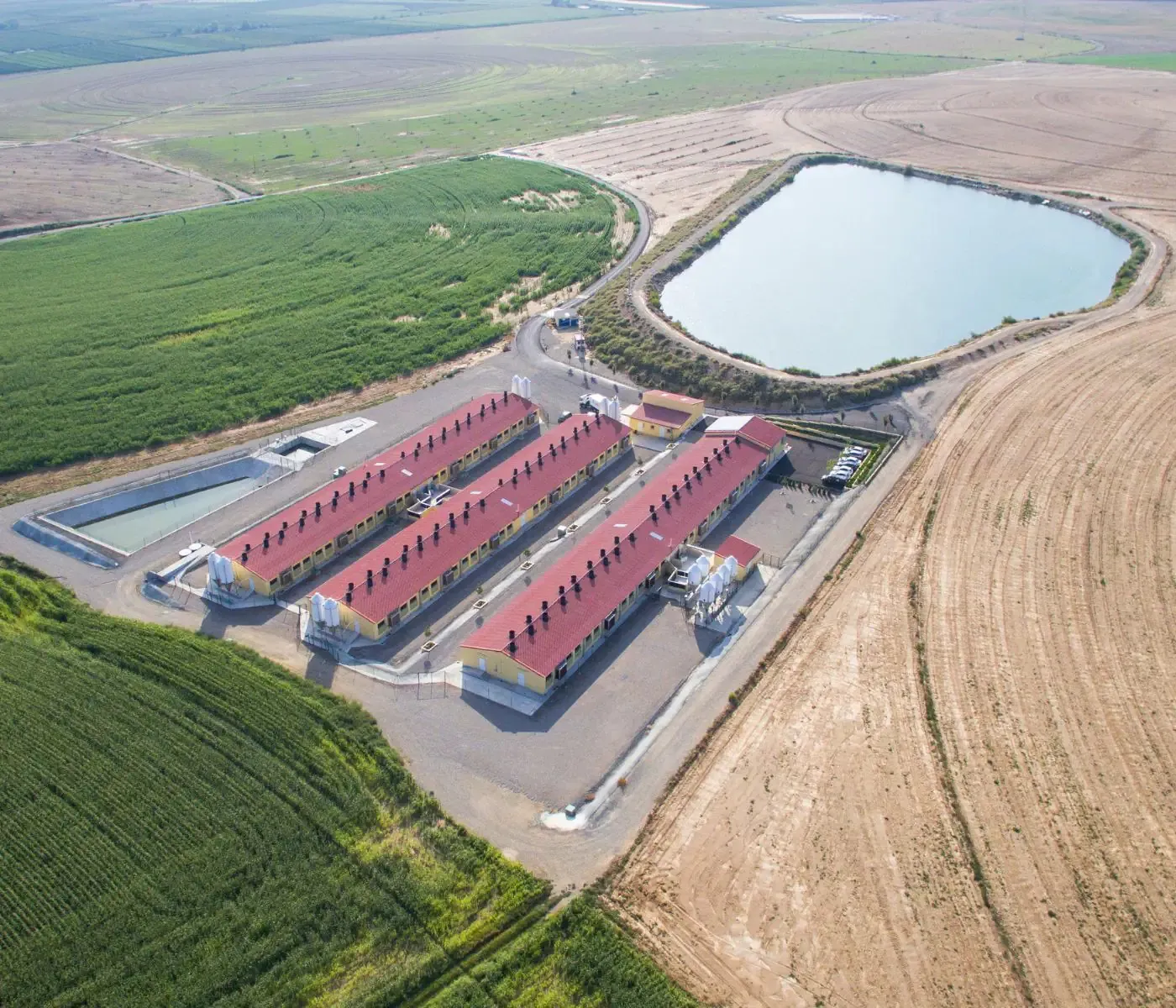
Livestock
CO2 (carbon dioxide)
Measures CO2 concentration in the air of livestock facilities as an indicator of ventilation, animal density and air quality.
- Arrives pre-configured
- No building work, no plugs
From €599
I want it!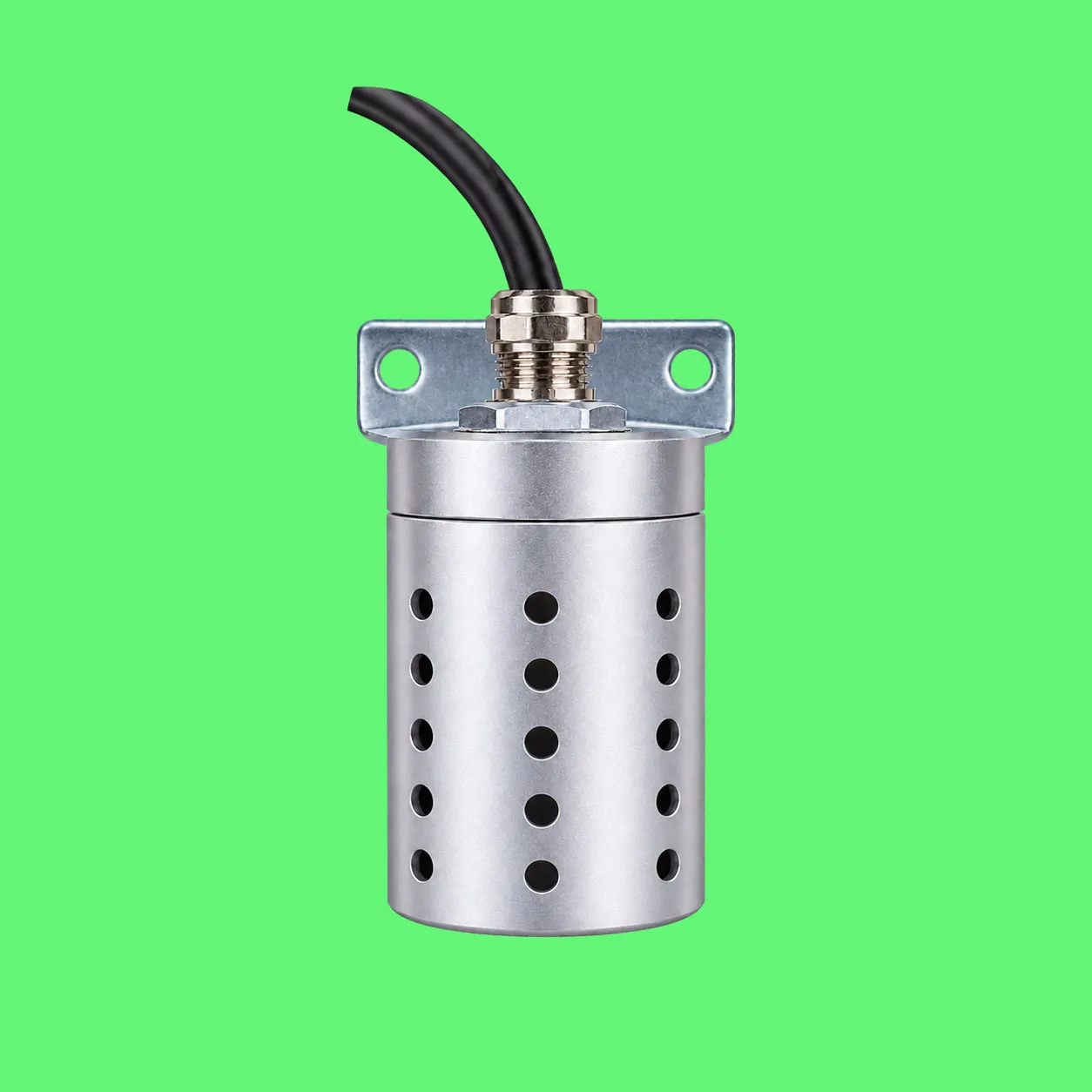
What it measures
Measures the concentration of carbon dioxide (CO2) in the indoor air of the livestock facility. CO2 is a direct indicator of ventilation quality: when it rises, it means air is not being renewed sufficiently, which can affect animal performance and health.
How it works
Uses NDIR (non-dispersive infrared) technology to detect CO2 molecules accurately and stably. The sensor sends continuous readings to the platform and generates alerts when animal welfare reference thresholds are exceeded.
What you gain
- Early detection of poor ventilation before it affects performance
- Optimisation of ventilation system energy consumption
- Records for animal welfare audits and certifications
Installation
You install it yourself, with no building work and nothing to set up
The sensor arrives pre-configured from the factory. No trenches, no power supply and nothing to connect to the internet: you place it, fix it and it starts sending data.
Step by step
- 1
At animal height
Place it at the height where the animals breathe, in a representative area of the barn.
- 2
Away from air inlets
Avoid windows, doors and fans: they dilute the air and skew the reading.
- 3
Fix it
Screw the bracket to an inside pillar or wall, or tie it with a cable tie, out of the animals' reach.
That's it. From then on, readings reach the AgroMind app on their own.
What you'll see in the app
Readings reach AgroMind on their own. This is what you'll be able to follow:
CO2 (ppm)
Carbon dioxide concentration in the air
Hourly trend
Concentration evolution throughout the day
Threshold alerts
Alerts when CO2 exceeds 3,000 ppm (welfare limit) or 5,000 ppm (critical limit)
Where you'll get the most out of it
Intensive pig farming
Detect insufficient ventilation in densely populated sheds
Poultry
Monitor air renewal in broiler and laying hen sheds
Housed cattle
Ensure air quality during winter housing periods
Rabbit farming
Monitor CO2 in closed sheds with high animal density
How the data reaches your phone
The sensor works together with a module that collects and sends the readings.
- 01
The sensor
Measures continuously at the spot where you placed it.
- 02
AgroSense module
Collects readings from up to 6 sensors and sends them even where there is no Wi-Fi or 4G/5G coverage.
- 03
AgroMind app
Follow the trend from your phone, and we alert you on WhatsApp when something is out of the ordinary.
Technical sheet
- Protection
- IP54 housing with high-stability NDIR sensor
- Setup
- Pre-configured from the factory
- Mounting
- Wall bracket · Cable tie
- Connection
- AgroSense module, up to 6 sensors per module
- Coverage
- Works without Wi-Fi or 4G/5G coverage
- Alerts
- WhatsApp alerts and AgroMind app
- Origin
- Designed and manufactured in Spain
- Warranty
- 2-year manufacturer warranty
Frequently asked questions
What CO₂ levels are normal in a barn?
As a guide, below 3,000 ppm the air is good and above 5,000 ppm you need to ventilate. We adjust the thresholds with you for each species and stage.
Why does it rise more in winter?
Because barns are kept more closed to hold in heat, so air is renewed less. The sensor alerts you when ventilation is needed even when it's cold.
Does it help me save on ventilation?
Yes. Ventilating when CO₂ calls for it, rather than on a fixed schedule, avoids losing too much heat in winter and wasting energy.
Does it need calibrating?
Very little. Its measuring technology barely loses accuracy over time; a yearly check is usually enough, and AgroMind can remind you.
Where should I place it?
At the height where the animals breathe, in a representative area and away from windows, doors and fans, which dilute the air and skew the reading.
Do I need Wi-Fi or mobile coverage where I install it?
No. The sensor is connected to an AgroSense module that sends the data on its own, even in plots or barns with no Wi-Fi or 4G/5G coverage.
More sensors in livestock
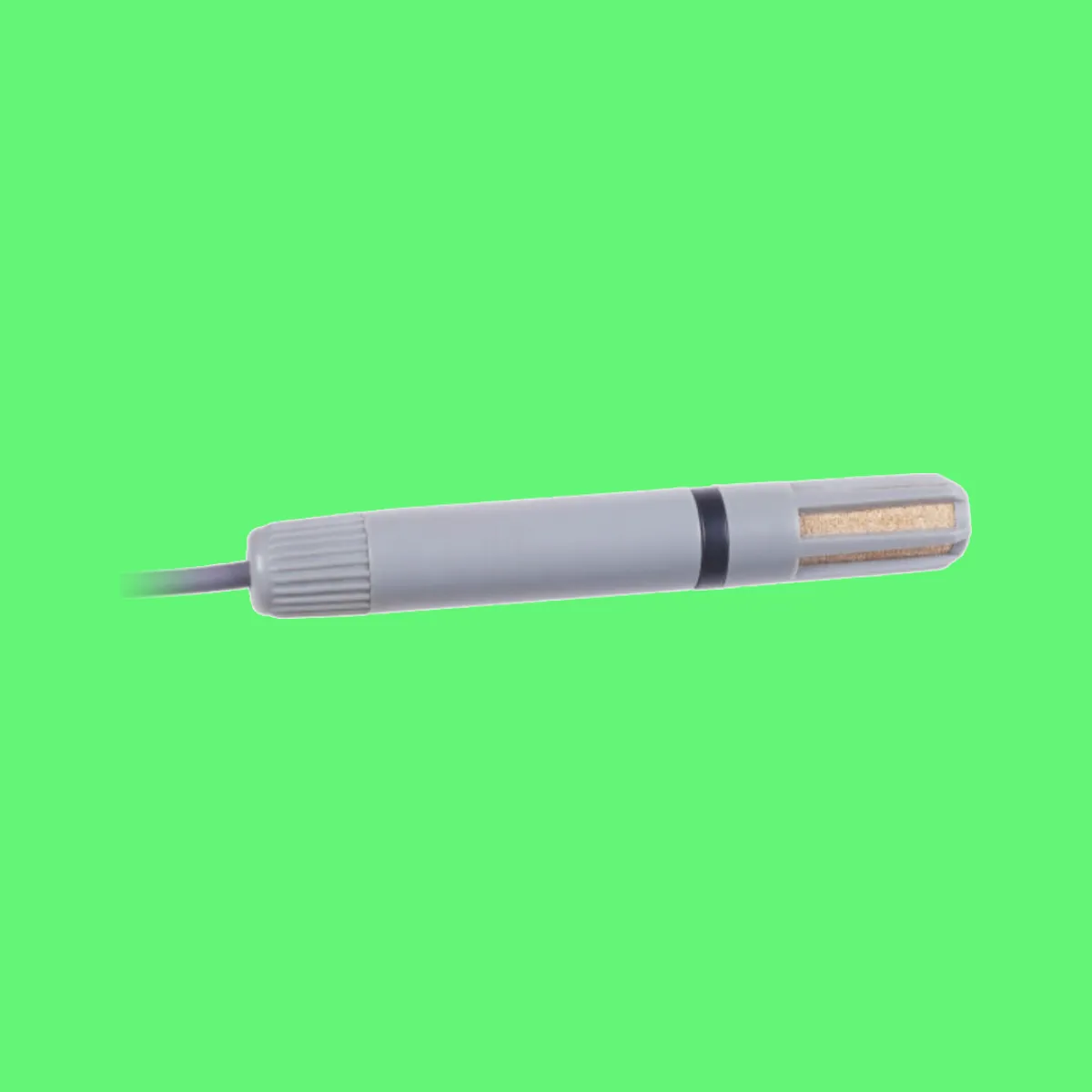
Ambient temperature and humidity
Measures air temperature and humidity inside livestock facilities to monitor animal welfare and reduce the risk of respiratory diseases.
View details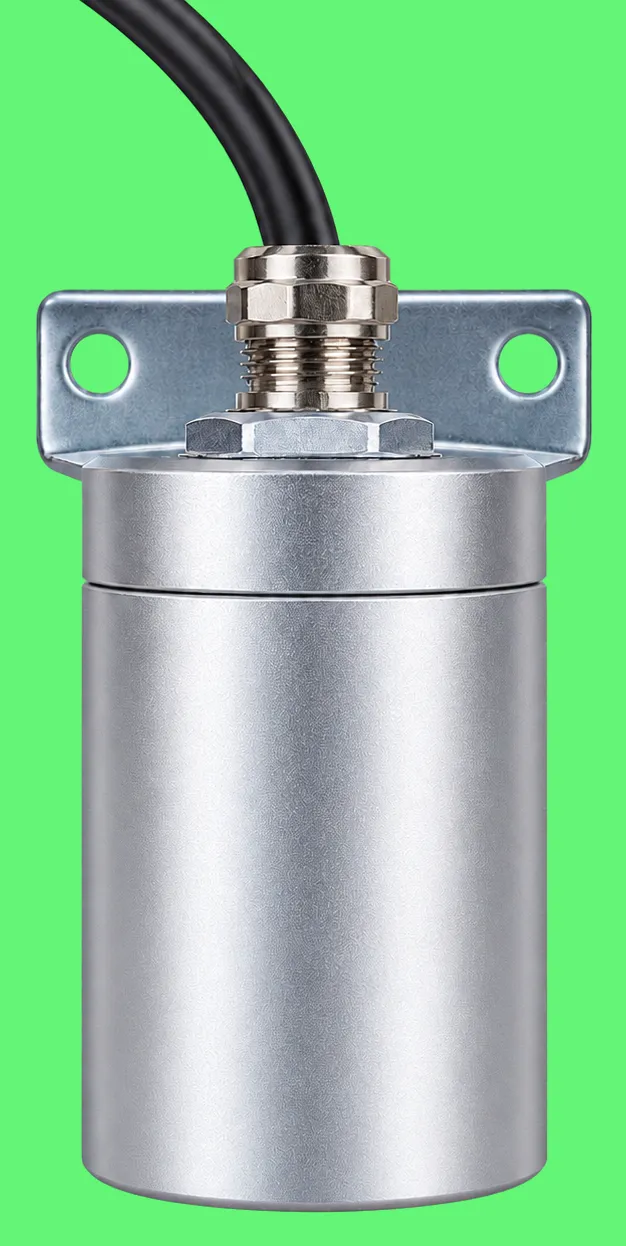
NH3 (ammonia)
Detects ammonia concentration in the livestock facility environment, a key indicator of hygiene, ventilation and animal welfare.
View details Your barn,
monitored around the clock
Tell us what animals you keep and the size of your barns. We'll tell you how many sensors you need and where to place them to control the environment and get alerts in time.