Agriculture
Leaf wetness sensor
Detects leaf wetness hours and fungal risk. Key to anticipating fungal disease risk and optimising treatments.
- Arrives pre-configured
- No building work, no plugs
From €400
I want it!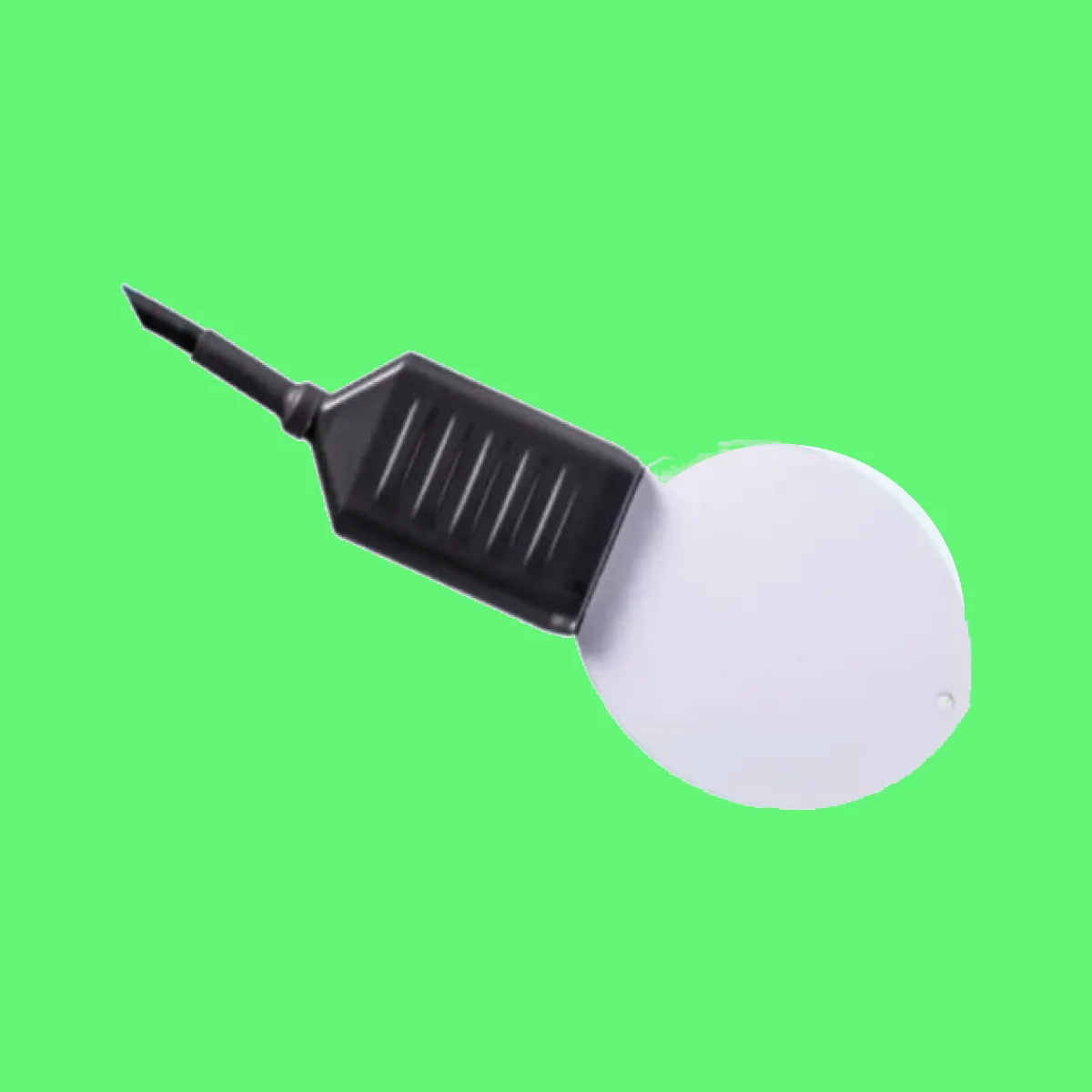
What it measures
Measures whether the leaf surface is wet (dew, rain, fog or sprinkler irrigation) and for how long. It is key to anticipating fungal disease risk.
How it works
It is normally placed in the crop environment, at canopy height, not buried, in an area representative of the plot's microclimate.
What you gain
- Reduces “just in case” sprays
- Improves timing: treat when it matters, not when it’s too late
- Optimises the use of plant protection products and cuts costs
Installation
You install it yourself, with no building work and nothing to set up
The sensor arrives pre-configured from the factory. No trenches, no power supply and nothing to connect to the internet: you place it, fix it and it starts sending data.
Step by step
- 1
Find leaf height
Place it at canopy height, where dew forms, and out of reach of drippers or sprinklers.
- 2
Tilt it like a leaf
Leave it slightly tilted so water runs off just as it would from a real leaf.
- 3
Tie it on
Fix it to a stake, branch, post or trellis wire with a cable tie.
That's it. From then on, readings reach the AgroMind app on their own.
What you'll see in the app
Readings reach AgroMind on their own. This is what you'll be able to follow:
Leaf wetness hours
Duration of leaf wetness
Temperature during wetness
Combined = fungal risk scenario
Dew nights
Identify and track night-time humidity persistence
Where you'll get the most out of it
Vineyards
Downy mildew/powdery mildew pressure based on wetness conditions
Fruit trees
Preventive control and optimal treatment windows
Vegetables
Especially in humid environments and under covers
How the data reaches your phone
The sensor works together with a module that collects and sends the readings.
- 01
The sensor
Measures continuously at the spot where you placed it.
- 02
AgroSense module
Collects readings from up to 6 sensors and sends them even where there is no Wi-Fi or 4G/5G coverage.
- 03
AgroMind app
Follow the trend from your phone, and we alert you on WhatsApp when something is out of the ordinary.
Technical sheet
- Protection
- Design resistant to weather and UV
- Setup
- Pre-configured from the factory
- Mounting
- Cable tie
- Connection
- AgroSense module, up to 6 sensors per module
- Coverage
- Works without Wi-Fi or 4G/5G coverage
- Alerts
- WhatsApp alerts and AgroMind app
- Origin
- Made in Spain
- Warranty
- 2-year warranty
Frequently asked questions
Why does it matter whether the leaf is wet?
Most fungi (downy mildew, botrytis, scab…) need hours of leaf wetness to infect. Knowing how long the leaf stayed wet tells you when there's real risk and when you can skip a treatment.
How do I read the leaf wetness hours?
They're combined with temperature. For example, more than 6–8 hours of leaf wetness at 15–25 °C is a high-risk scenario for downy mildew in vineyards. Each disease has its own conditions, and we help you set the thresholds.
Does it detect dew and fog?
Yes, it detects any water on its surface: rain, dew, fog or sprinkler irrigation. That's why it's placed out of reach of drippers and sprinklers.
Does it work in a greenhouse?
Yes. In a greenhouse it helps detect condensation and decide when to ventilate so leaves dry sooner.
Should I combine it with the weather station?
Yes. With temperature, humidity and rainfall from your own plot, AgroMind can calculate disease risk much more precisely.
How will I know if something goes wrong?
You set the thresholds that matter to you and we alert you on WhatsApp when they're crossed. You can also follow the trend and history in the AgroMind app from your phone.
More sensors in agriculture
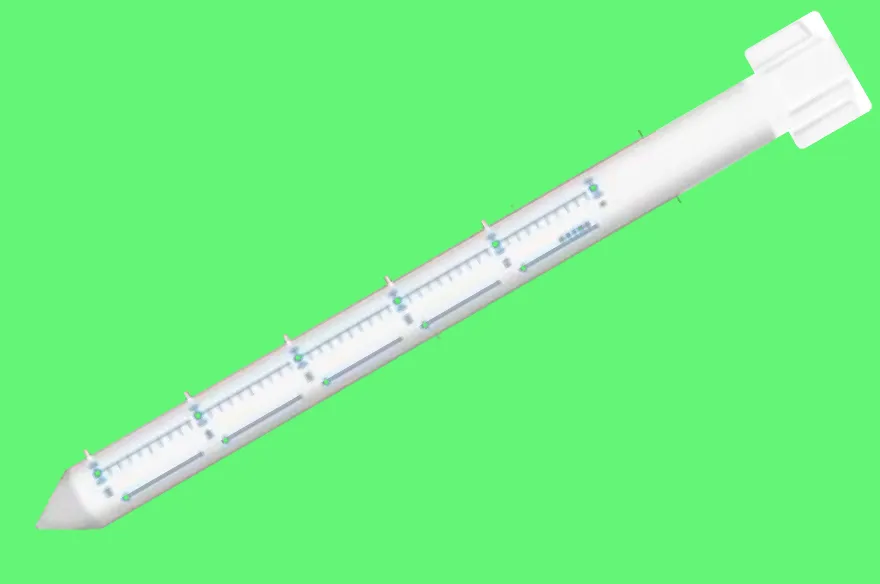
Multi-level capacitive soil moisture sensor
Measures volumetric soil moisture at several depths to show how water moves through the entire root profile.
View details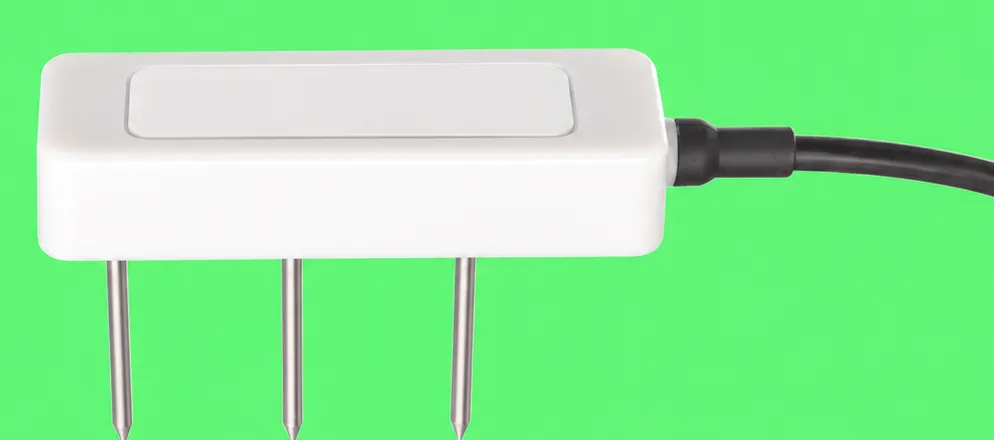
Single-level capacitive soil moisture sensor
Measures volumetric moisture at one specific depth for simple and precise irrigation control.
View details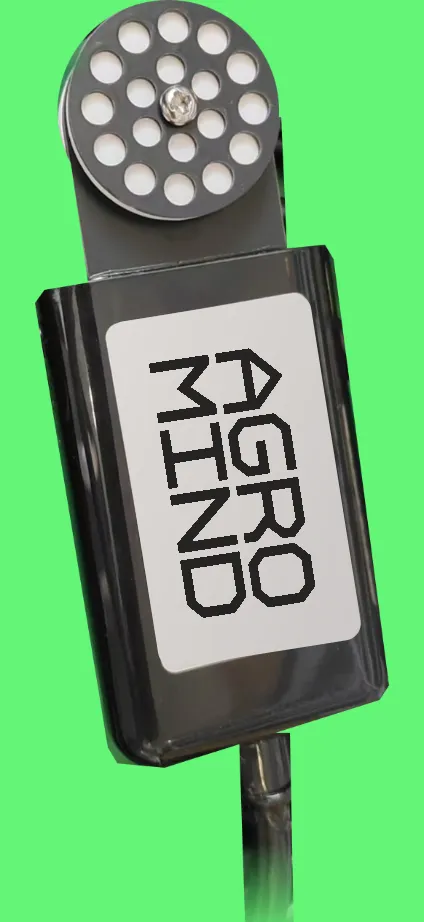
Tensiometer (matric potential)
Measures matric potential: the effort the plant has to make to extract water from the soil.
View details Measure your soil,
irrigate with data
Tell us your crop, how many hectares you have and how you irrigate. We'll tell you how many sensors you need and where to place them so readings represent the whole plot.